β--PPH 동심 플랜지형 유연한 커넥터
제품 사양: DN25(D32), DN32(D40), DN40(D50), DN50(D63), DN65(D75), DN80(D90), DN10...

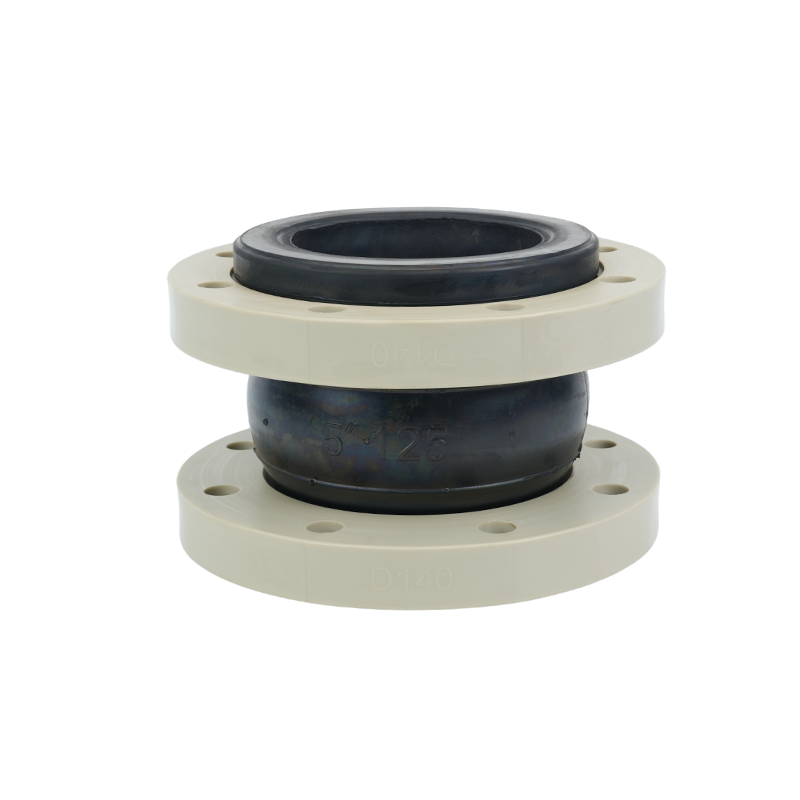
제품 사양: DN25(D32), DN32(D40), DN40(D50), DN50(D63), DN65(D75), DN80(D90), DN10...
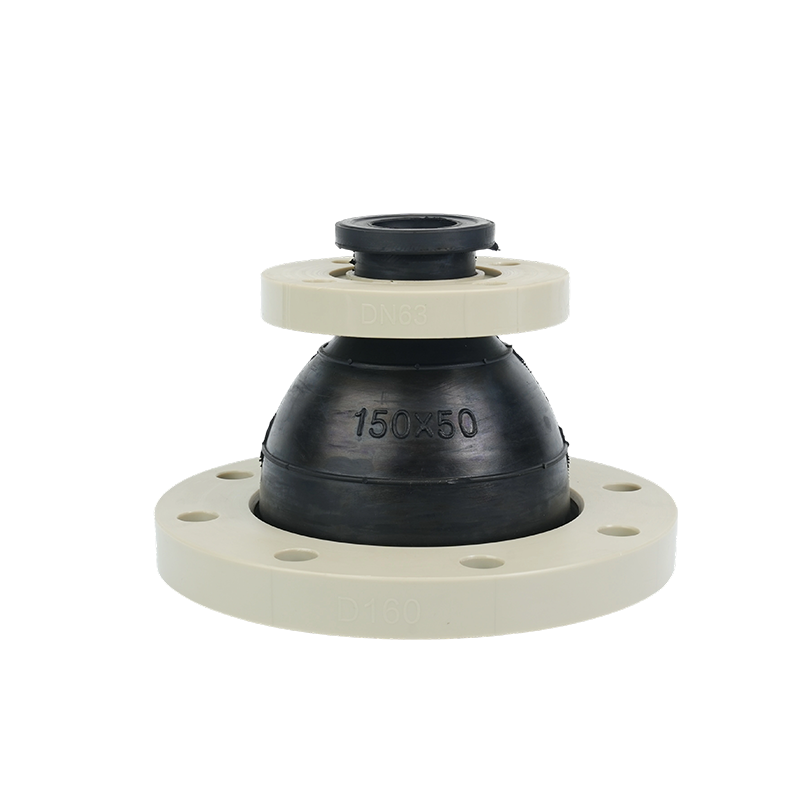
제품 사양: D40*32, D50*32, D50*40, D63*32, D63*40, D63*50, D75*40, D75*50, D75*63...
한 화학 공장의 가동 중단 직원에게는 재가동 전에 남은 작업이 하나 있었습니다. 완전히 용접된 PPH 라인 내부 12m 내부의 밸브에서 누출되는 개스킷을 교체하는 것이었습니다. 파이프 절단은 새 스풀, 새 용접, 냉각 대기 및 두 번째 압력 테스트를 의미하며 일정에 따라 4시간이 추가로 소요됩니다. 밸브 입구에 플라스틱 파이프 유니온 하나가 있으면 스트랩 렌치 하나만 있으면 해당 작업을 10분 안에 완료할 수 있습니다. 이것이 바로 조합의 실제 사례이며 단가보다 사양이 더 중요한 이유입니다. 플라스틱 파이프 유니온 선택은 파이프와 일치하는 본...
더 보기"팔아요?" 라고 물어보며 플라스틱 볼 밸브를 구입합니다. 프로젝트가 결국 두 배의 비용을 지불하게 되는 이유입니다. 실제로 플라스틱 볼 밸브가 5년 동안 조용히 작동할지 아니면 처음에 고장이 날지 여부를 결정하는 것은 견적서의 단가가 아니라 몸체 재질, 씰 엘라스토머, 밸브 몸체가 파이프에 연결되는 방식입니다. 짧은 대답: 재료를 매체, 온도 및 라인 압력에 먼저 맞추고 이미 가지고 있는 배관에 연결 유형을 맞춘 다음 밸브가 팔이 닿는 범위 내에 있는지 여부에 따라 작동을 선택하십시오. 브랜드, 색상, 포장 등 다른 모든 것은 ...
더 보기피팅 2개, PVDF 파이프의 2코일 1개, DN 50 플랜지 어댑터 상자 1개. 모든 것이 예정대로 도착하지만 맞는 것은 없습니다. 파이프의 외부 직경은 60.3mm이고 어댑터는 외부 직경이 50mm로 가공됩니다. 두 라벨 모두 잘못된 것이 아닙니다. 부품은 단순히 두 가지 다른 크기 조정 시스템에 속하며 IPS는 대부분의 프로젝트 팀을 사로잡는 시스템입니다. 먼저 짧은 답변을 드리겠습니다. IPS(Iron Pipe Size)는 북미 공칭 명칭입니다. 1/2인치 이상에서는 이름의 숫자가 외부 직경이나 보어와 일치하지 않습니다. 수정되는 것은 강...
더 보기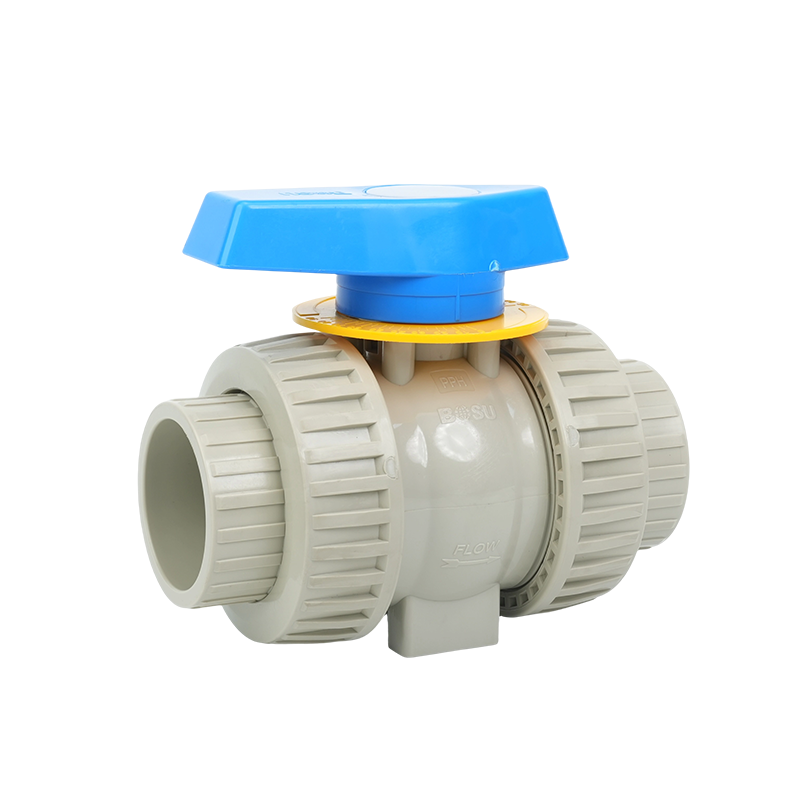
1. 제품 특징: 맞춤형 핸들 표시 기능, 핸들의 투명 커버에 로고, 미디어 등을 설치하여 산업용 배관 시스템의 전반적인 품질을 향상시킵니...
더 보기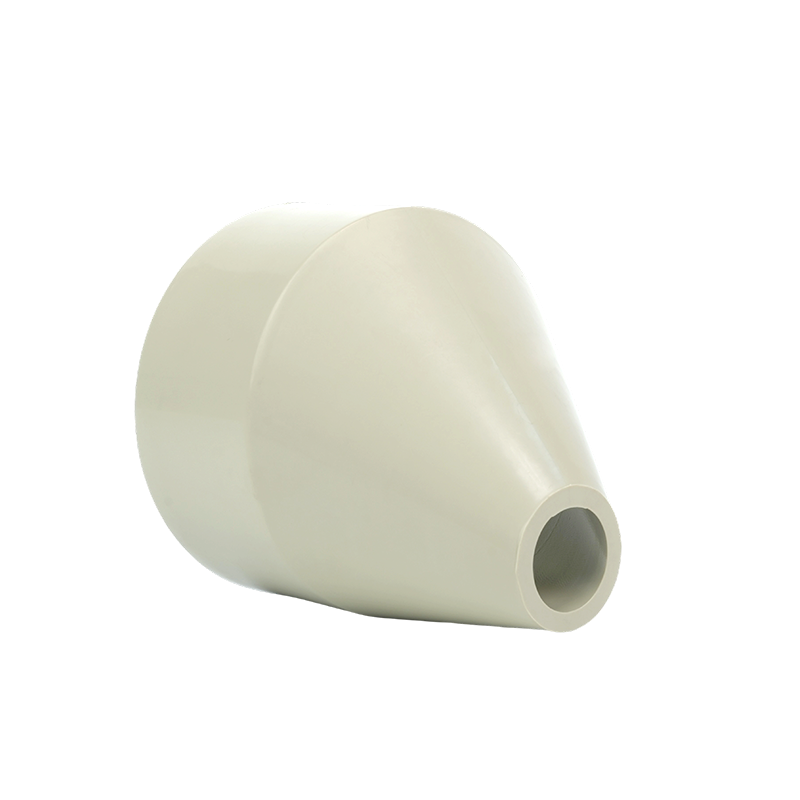
수평 파이프에 사용됩니다. 평평한 면(상단 또는 하단)은 공기 배출이나 액체 배출을 용이하게 하여 유지 관리를 단순화합니다. 일반적으...
더 보기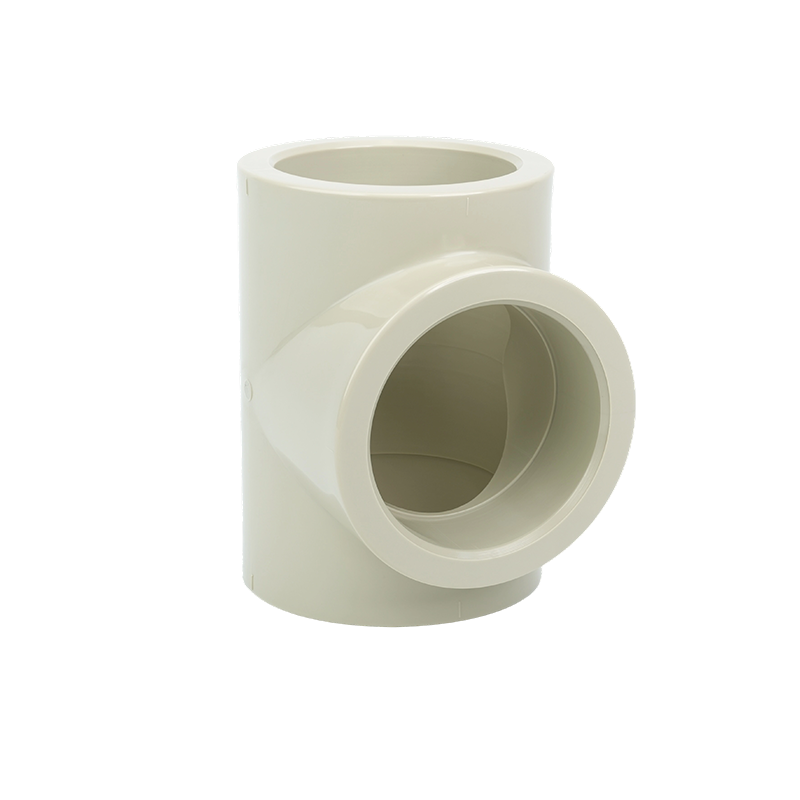
1. 주 파이프라인이 분기되어야 하는 곳에 사용되는 파이프라인 피팅 유형이며, 분기 파이프가 주 파이프에 수직인 경우에 적합합니다. ...
더 보기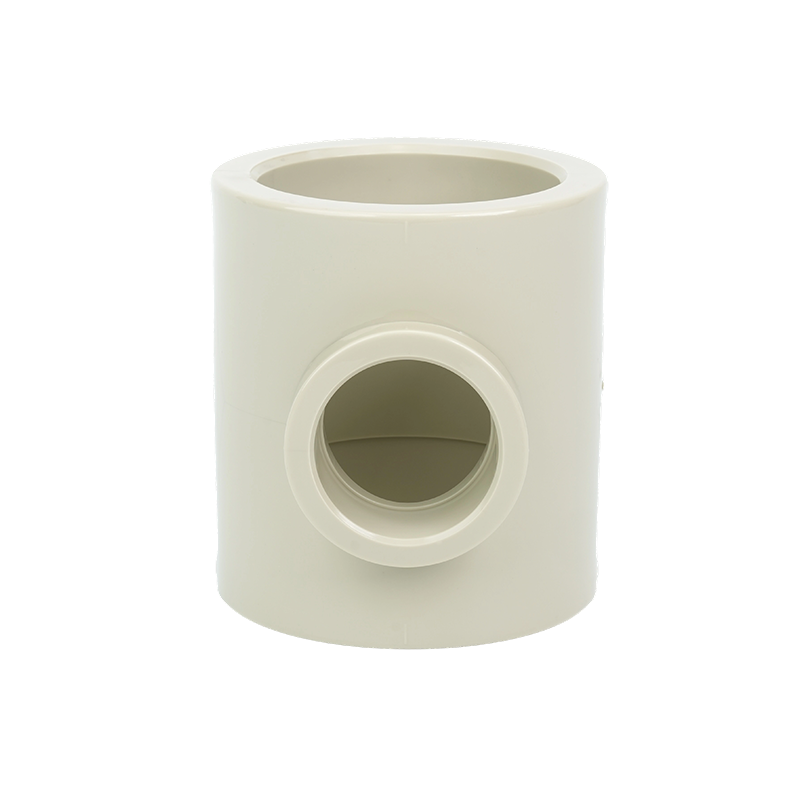
1. 이 피팅은 메인 파이프라인에서 분기 라인을 생성하는 데 사용되며, 분기 파이프가 메인 파이프에 수직이고 직경이 다른 연결을 허용...
더 보기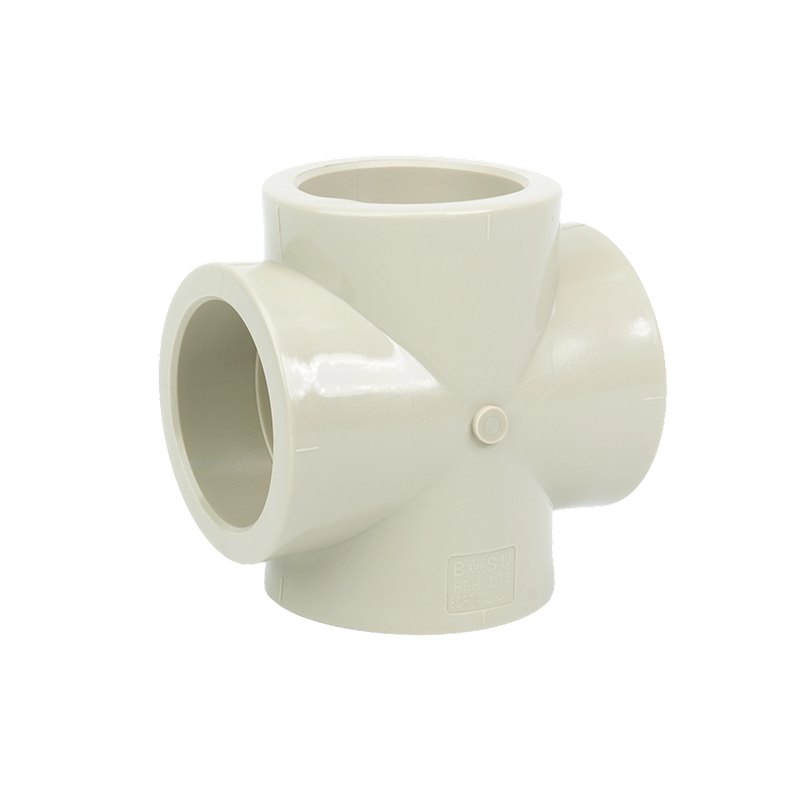
1. 직교하는 동일한 직경의 파이프 4개를 연결하는 데 사용됩니다. 2. 제품 사양: DN15(D20), DN20(D25), DN25...
더 보기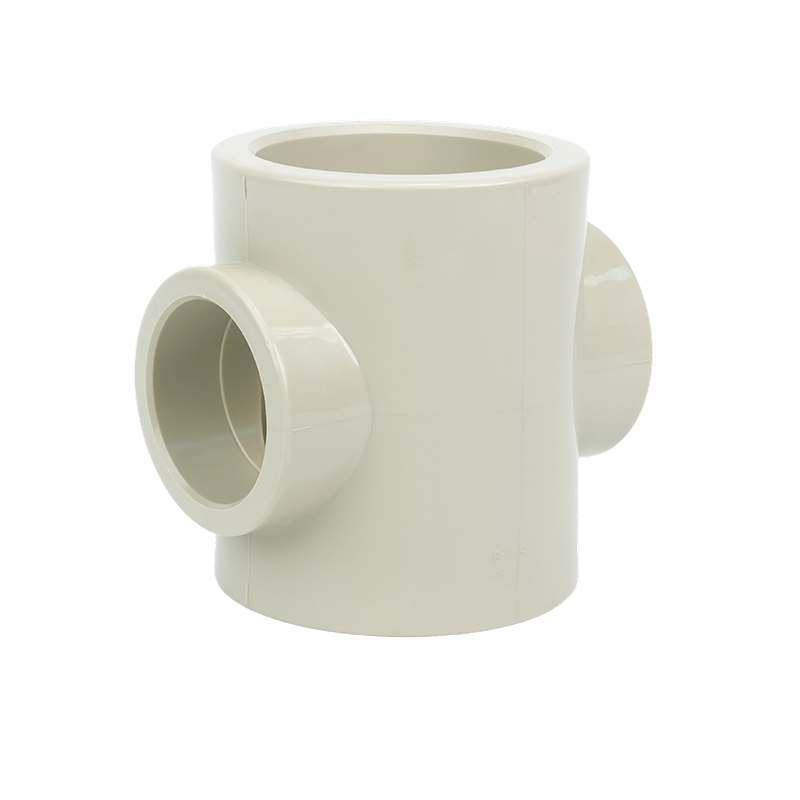
1. 직경이 다른 4개의 파이프를 수직으로 교차하는 데 사용됩니다. 두 개의 작은 분지 파이프를 주 파이프라인에 수직으로 연결해야 할...
더 보기무엇입니까? Flange Softening ?
1. Flange softening refers to the gradual decrease in hardness and strength of the flange material at the flange connection due to long-term pressure, temperature cycling, or media corrosion, causing the sealing surface to lose its original elasticity and tightening performance.
2. Softening can cause flange deformation and reduced bolt preload, leading to leakage or failure, especially in pipeline systems operating under high pressure, strong corrosion, or high temperature conditions.
3. In practical engineering, softening often manifests as loose flange bolts, deeper indentations on gaskets, or the appearance of micro-cracks; these are all signals requiring timely detection and maintenance.
How to reduce the risk of Flange Softening through material selection or process control?
1. Select softening-resistant materials
Using high-strength alloy steel or corrosion-resistant stainless steel flanges can significantly improve softening resistance.
For special media (such as acids, alkalis, and seawater), titanium alloy or nickel-based alloy flanges can be used to resist softening caused by chemical corrosion.
2. Optimize Heat Treatment Process
By using heat treatments such as normalizing, tempering, or quenching, the hardness and toughness of the material are improved, reducing the tendency to soften under high-temperature cycling.
Adding a residual stress relief process during flange production ensures that the flange achieves a uniform internal stress distribution before use.
3. Surface Protection and Anti-corrosion Coating
Spraying anti-corrosion paint, thermal spraying galvanizing, or ceramic coatings on the flange surface effectively prevents the media from corroding the metal substrate.
For pipeline systems requiring long-term operation, regular surface inspection and recoating are necessary to maintain the integrity of the protective layer.
4. Rational Design of Bolt Preload and Stiffness
Using high-strength bolts and calculating the preload according to standards ensures that the flange maintains sufficient clamping force under working pressure.
Adding reinforcing ribs or rigid supports to large-diameter or high-pressure flanges reduces the elastic deformation of the flange body.
회사 정보
주소: 중국 장쑤성 동타이시 하이테크 존 하이촨로 55호
휴대폰: +86 137 7009 5258
전화: +86-515-85479999
이메일: [email protected]
의견을 듣고 싶습니다!
