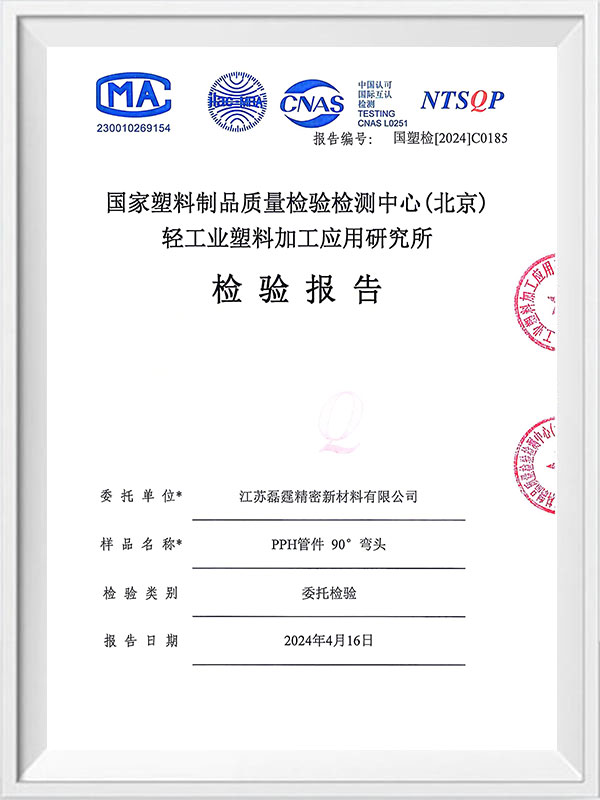
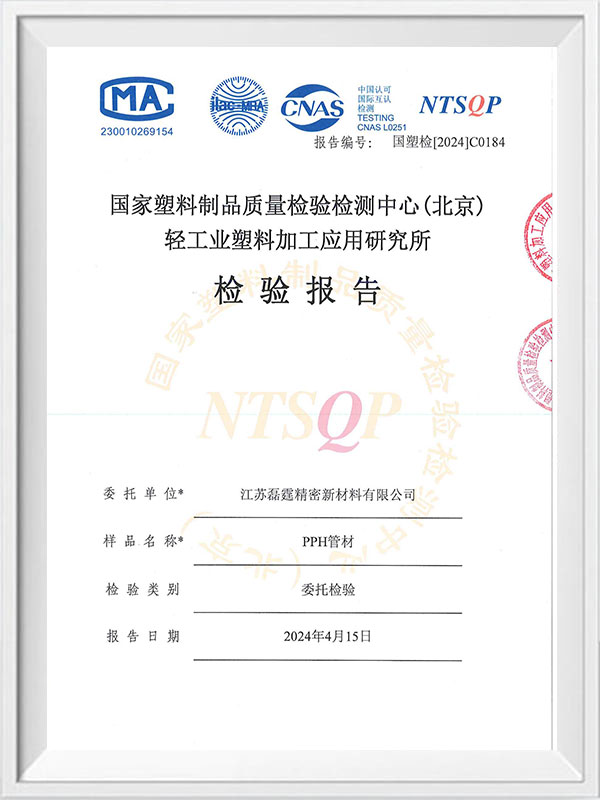
β-PPH 파이프
제품 사양: DN15(D20), DN20(D25), DN25(D32), DN32(D40), DN40(D50), DN50(D63), DN65...

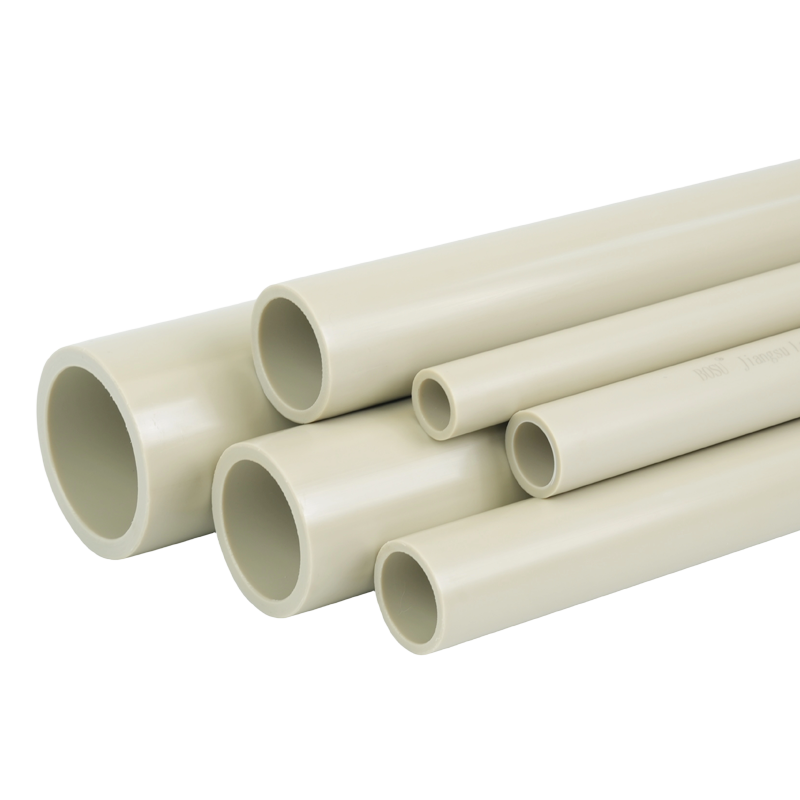
제품 사양: DN15(D20), DN20(D25), DN25(D32), DN32(D40), DN40(D50), DN50(D63), DN65...
한 화학 공장의 가동 중단 직원에게는 재가동 전에 남은 작업이 하나 있었습니다. 완전히 용접된 PPH 라인 내부 12m 내부의 밸브에서 누출되는 개스킷을 교체하는 것이었습니다. 파이프 절단은 새 스풀, 새 용접, 냉각 대기 및 두 번째 압력 테스트를 의미하며 일정에 따라 4시간이 추가로 소요됩니다. 밸브 입구에 플라스틱 파이프 유니온 하나가 있으면 스트랩 렌치 하나만 있으면 해당 작업을 10분 안에 완료할 수 있습니다. 이것이 바로 조합의 실제 사례이며 단가보다 사양이 더 중요한 이유입니다. 플라스틱 파이프 유니온 선택은 파이프와 일치하는 본...
더 보기"팔아요?" 라고 물어보며 플라스틱 볼 밸브를 구입합니다. 프로젝트가 결국 두 배의 비용을 지불하게 되는 이유입니다. 실제로 플라스틱 볼 밸브가 5년 동안 조용히 작동할지 아니면 처음에 고장이 날지 여부를 결정하는 것은 견적서의 단가가 아니라 몸체 재질, 씰 엘라스토머, 밸브 몸체가 파이프에 연결되는 방식입니다. 짧은 대답: 재료를 매체, 온도 및 라인 압력에 먼저 맞추고 이미 가지고 있는 배관에 연결 유형을 맞춘 다음 밸브가 팔이 닿는 범위 내에 있는지 여부에 따라 작동을 선택하십시오. 브랜드, 색상, 포장 등 다른 모든 것은 ...
더 보기피팅 2개, PVDF 파이프의 2코일 1개, DN 50 플랜지 어댑터 상자 1개. 모든 것이 예정대로 도착하지만 맞는 것은 없습니다. 파이프의 외부 직경은 60.3mm이고 어댑터는 외부 직경이 50mm로 가공됩니다. 두 라벨 모두 잘못된 것이 아닙니다. 부품은 단순히 두 가지 다른 크기 조정 시스템에 속하며 IPS는 대부분의 프로젝트 팀을 사로잡는 시스템입니다. 먼저 짧은 답변을 드리겠습니다. IPS(Iron Pipe Size)는 북미 공칭 명칭입니다. 1/2인치 이상에서는 이름의 숫자가 외부 직경이나 보어와 일치하지 않습니다. 수정되는 것은 강...
더 보기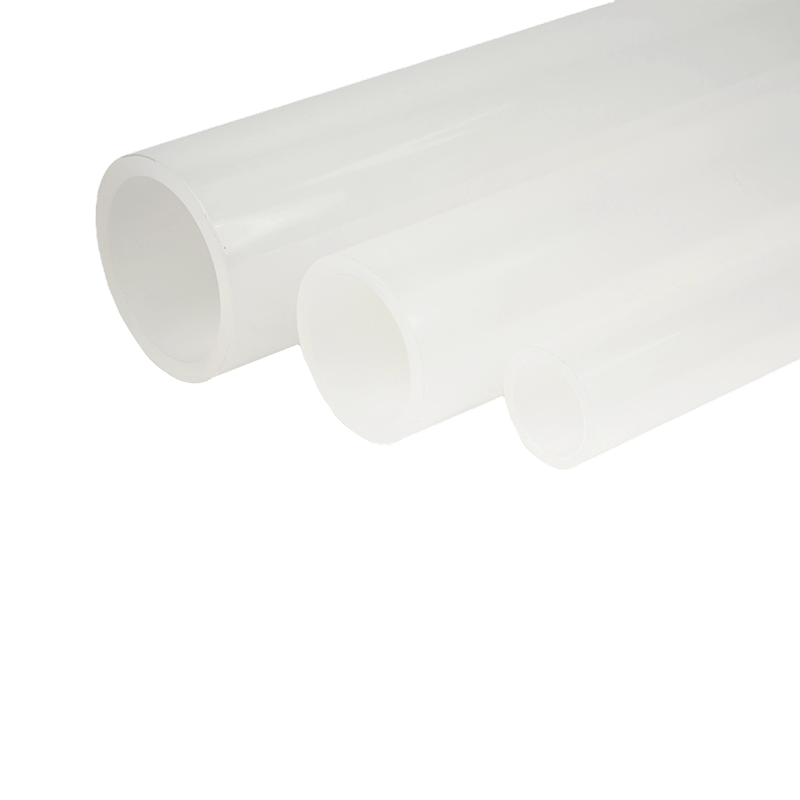
제품 사양: DN15(D20), DN20(D25), DN25(D32), DN32(D40), DN40(D50), DN50(D63), DN65...
더 보기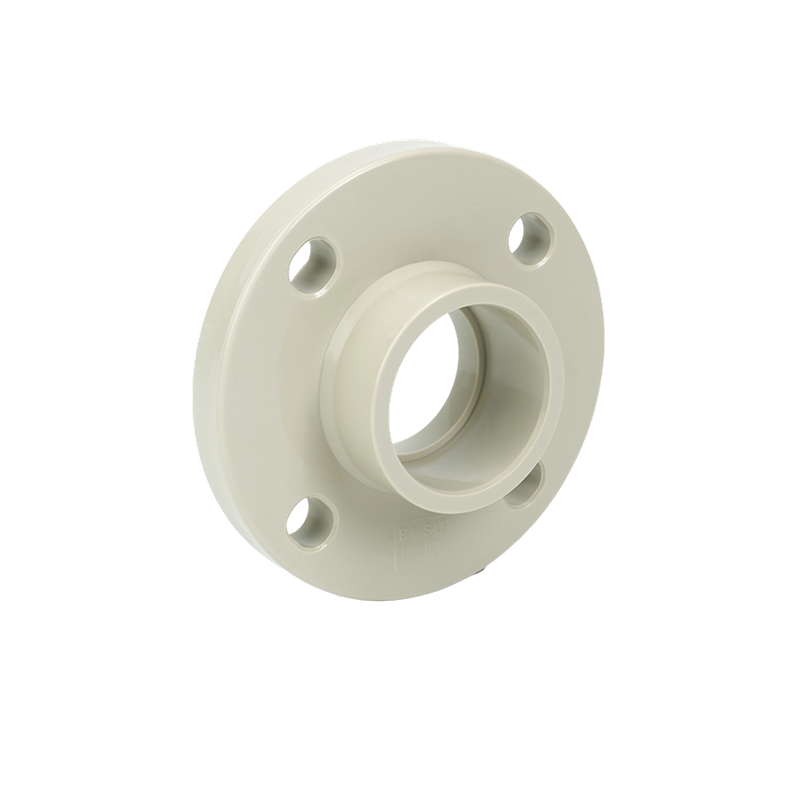
제품 특징: 설치가 용이한 이 피팅은 파이프 끝에서 쌍으로 사용됩니다. 이 디자인은 설치 중 현장 노동 강도를 크게 ...
더 보기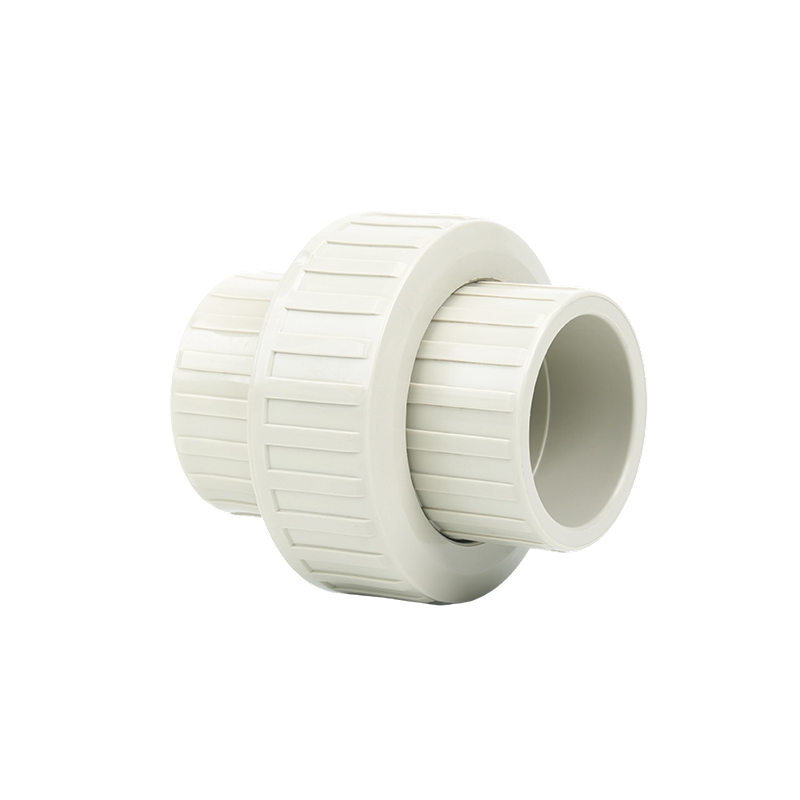
이 피팅은 파이프를 파이프라인 시스템에 연결하도록 설계되었습니다. 최대 1.0 MPa의 작동 압력에 적합하며 EPDM 또는 FPM 재질로 ...
더 보기
제품 사양: DN15(D20), DN20(D25), DN25(D32), DN32(D40), DN40(D50), DN50(D63), DN65...
더 보기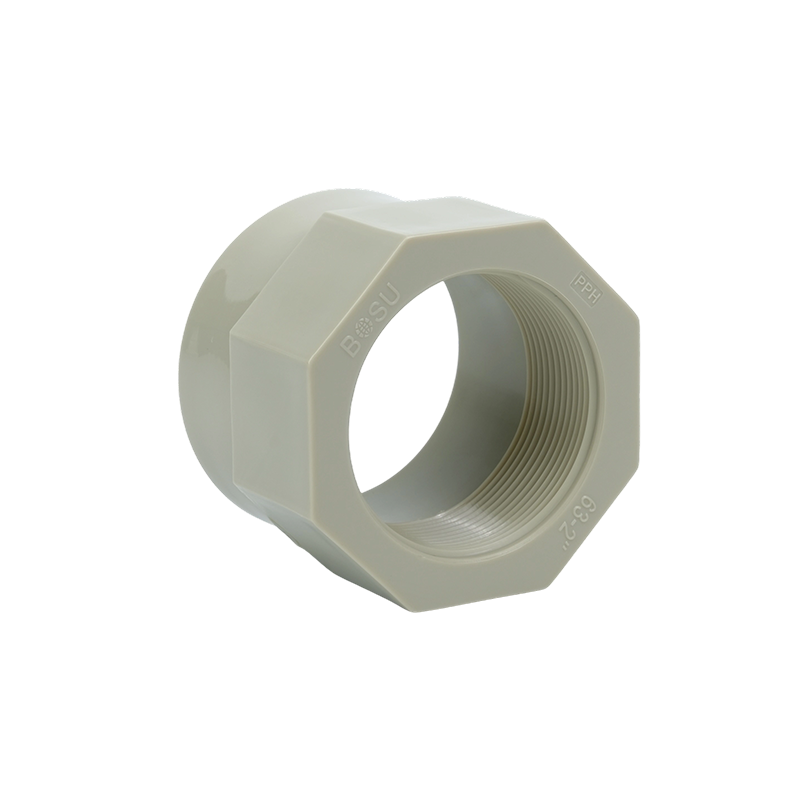
1. 빠르고 안정적인 설치, 편리하고 시간 절약; 내부 및 외부 벽이 매끄럽고 유체 저항이 적으며 운반 흐름 시스템 수의 에너지 소비가 적...
더 보기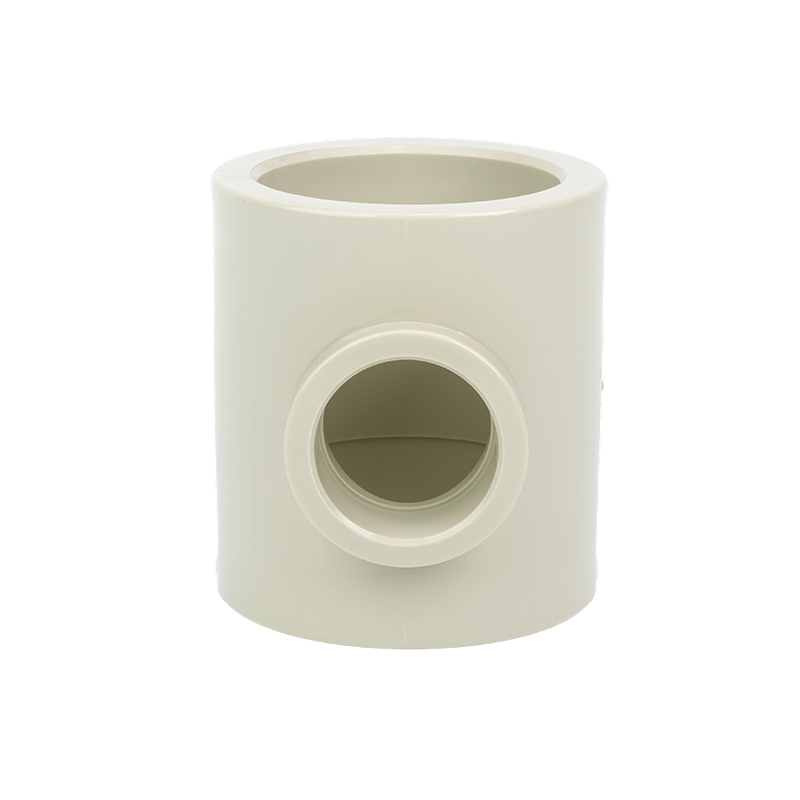
1. 이 피팅은 메인 파이프라인에서 분기 라인을 생성하는 데 사용되며, 분기 파이프가 메인 파이프에 수직이고 직경이 다른 연결을 허용...
더 보기What are 1.0MPa β-PPH pipes?
1. Material Nature: β-PPH (β-crystalline polypropylene homopolymer) is a homopolymer polypropylene obtained through β-modification. It possesses a fine and uniform β-crystalline structure, exhibiting excellent chemical corrosion resistance, wear resistance, and insulation properties.
2. Pressure Rating: The product is designed for a working pressure of 1.0MPa, meeting the medium-to-low pressure transmission needs of industries such as solar energy, semiconductors, chemicals, and pharmaceuticals.
3. Sizes and Specifications: The company offers various pipe diameters and wall thicknesses, which can be customized according to customer piping systems, compatible with various valves, fittings, and accessories.
4. Application Areas: Widely used in high-requirement industrial piping systems such as photovoltaic brackets, semiconductor cooling, chemical media transportation, environmental water treatment, and pharmaceutical manufacturing.
How are the maximum operating temperature and low-temperature brittleness of 1.0MPa β-PPH pipes assessed?
1. Maximum Operating Temperature: The upper limit of the operating temperature of β-PPH pipes is generally 110℃, and can reach 120℃ under special operating conditions, meeting the transportation needs of most industrial heat media. 2. Low-Temperature Performance: The low-temperature embrittlement temperature of polypropylene is approximately -70℃. β-PPH maintains good toughness within the range of -20℃ to -70℃, requiring no additional antifreeze measures for winter construction.
3. Evaluation Methods:
Thermomechanical Property Testing: The upper temperature limit and embrittlement point of the material are determined through experimental data on the coefficient of thermal expansion, yield strength, and impact toughness at different temperatures.
Long-Term Temperature Resistance Testing: The pipe is continuously operated at 110℃ for over 5000 hours, observing creep, hardening, and dimensional changes to verify the reliability of the maximum operating temperature.
Low-Temperature Impact Testing: Impact tests are conducted at -70℃ to ensure the pipe retains sufficient impact absorption capacity even at extreme low temperatures.
회사 정보
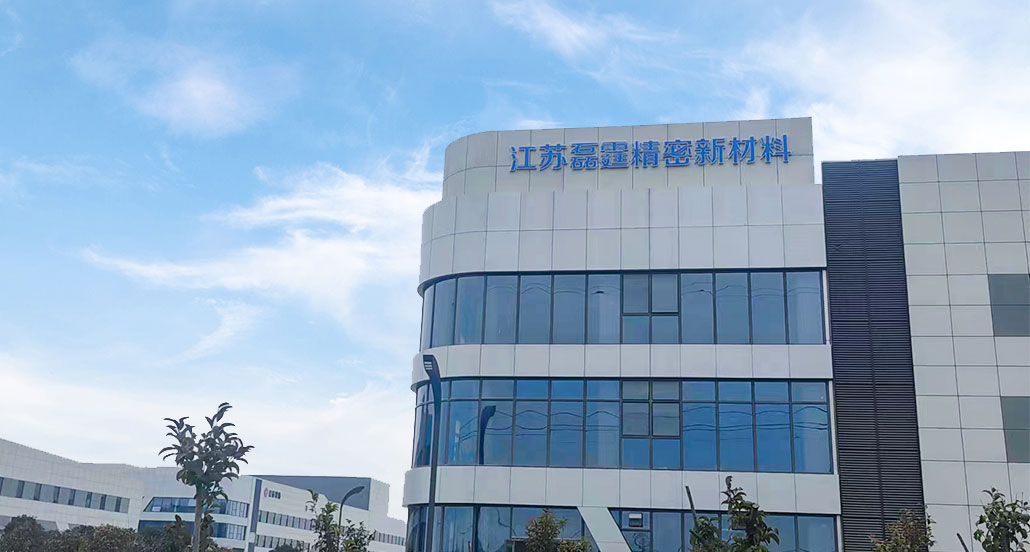
주소: 중국 장쑤성 동타이시 하이테크 존 하이촨로 55호
휴대폰: +86 137 7009 5258
전화: +86-515-85479999
이메일: [email protected]
의견을 듣고 싶습니다!
